








The Cotswold Company Curtains Guide
Guide 1: Choosing the Right Curtains for Your Home
Need help selecting the perfect curtains?
Our simple guide covers measuring up, choosing the right size and deciding on the best drop and style for your space. You can read the steps below or watch our short video guide for extra support.
Step 1: Measuring up
Before choosing your curtains, measure the width of your curtain pole or track.
If you haven’t chosen a pole yet, we recommend selecting one that’s 30–40cm wider than your window, so the curtains can stack back neatly.
Measure the full width of the pole or track, not just the window frame.
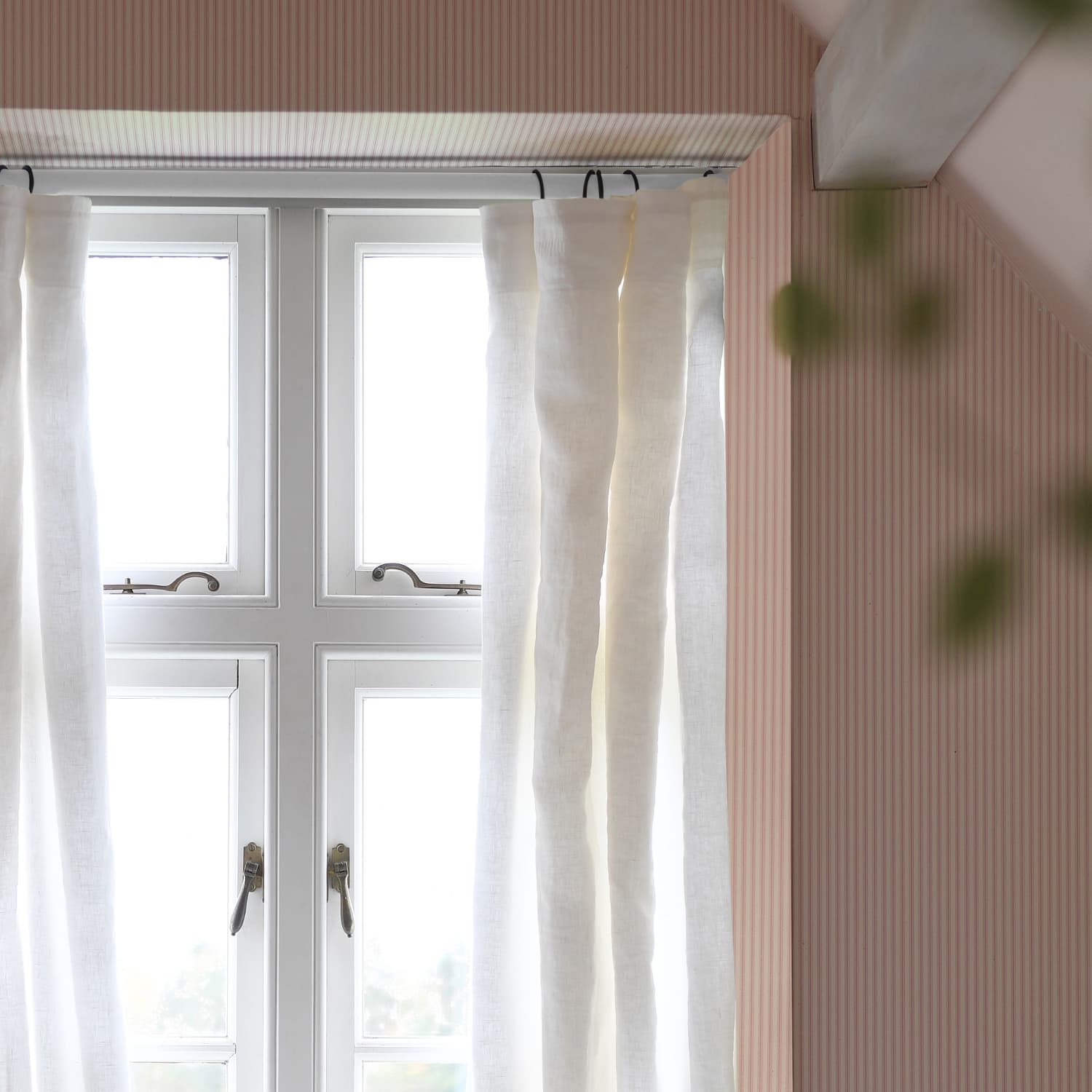
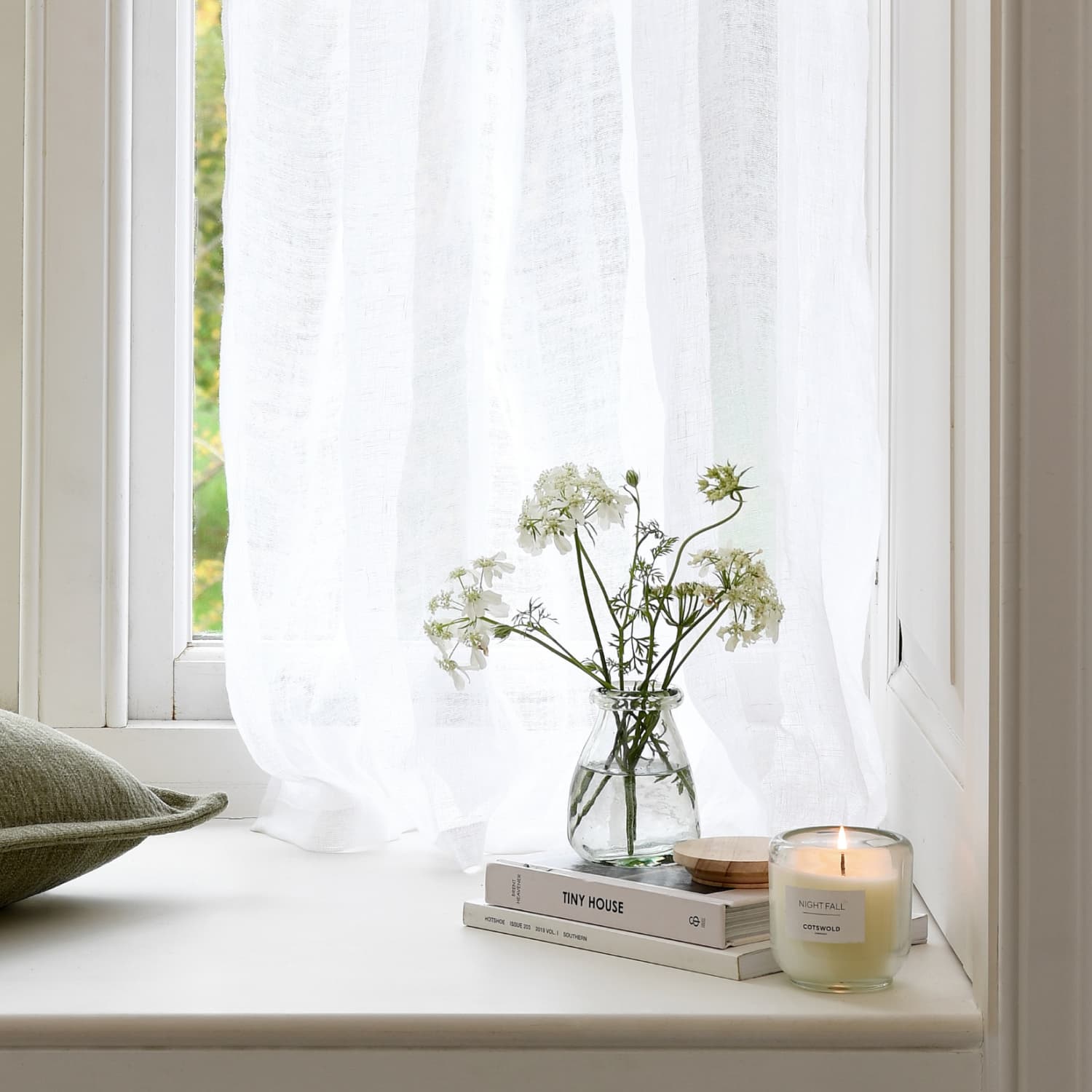
Step 2: Choosing the Right Width
Our ready-made curtains are available in three standard widths and four drop lengths, making it easy to find a size that works for most windows.
How curtain widths work
The width shown online refers to one curtain panel laid flat
Each pack includes two panels (one for each side of your window)
Fullness explained
Curtains are designed for a standard 2x gather (a full, classic look)
As a rule of thumb, your total curtain width (both panels combined) should be roughly twice the width of your pole or track
Example
Curtain pole width: 160cm
Recommended curtain width for standard fullness: 167cm panels
For a more relaxed look, choose a narrower panel for a softer, less gathered finish
Our multiway header tape allows you to adjust the fullness to suit your style.
Step 3: Choosing the Right Drop
Once you’ve chosen the width, select your preferred curtain length.
Popular drop options
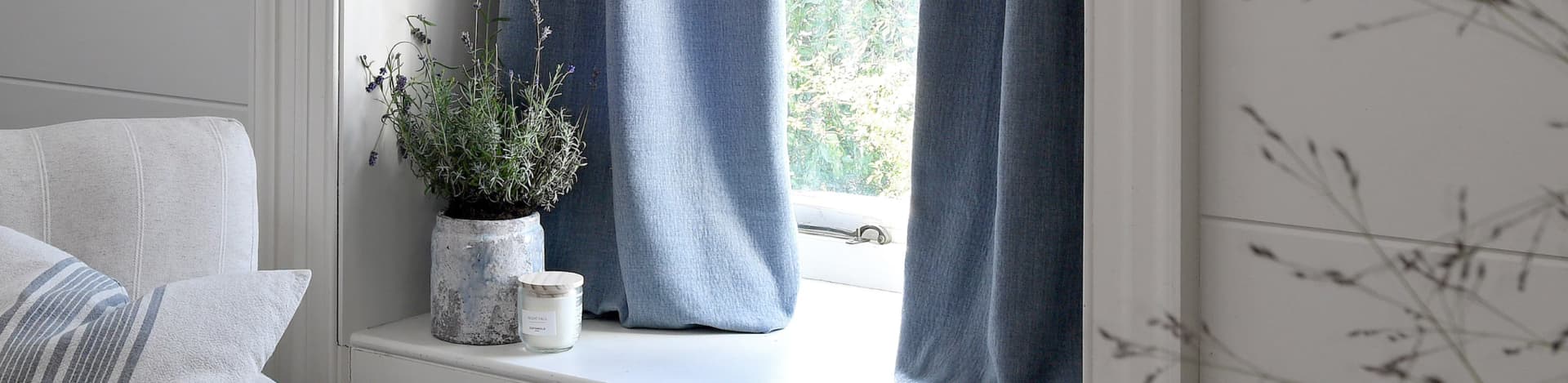
Below the windowsill – Finish around 15cm below the sill
Floor length – Just touching the floor for a tailored look
Puddle length – Extends 3–8cm onto the floor for a relaxed, luxurious feel (Please note: puddle curtains may be a trip hazard in family homes)
Measuring for heading styles
The Cotswold way - Pencil Pleat – measure from the underside of the ring fitting supplied with your pole or track, down to your desired length. This will likely be from either pole to sill or pole to floor.
Hidden Tab & Slot Top – Measure from the top of the pole or track to your chosen finish point
Curtains can be shortened easily by a local seamstress or dry cleaner if needed.
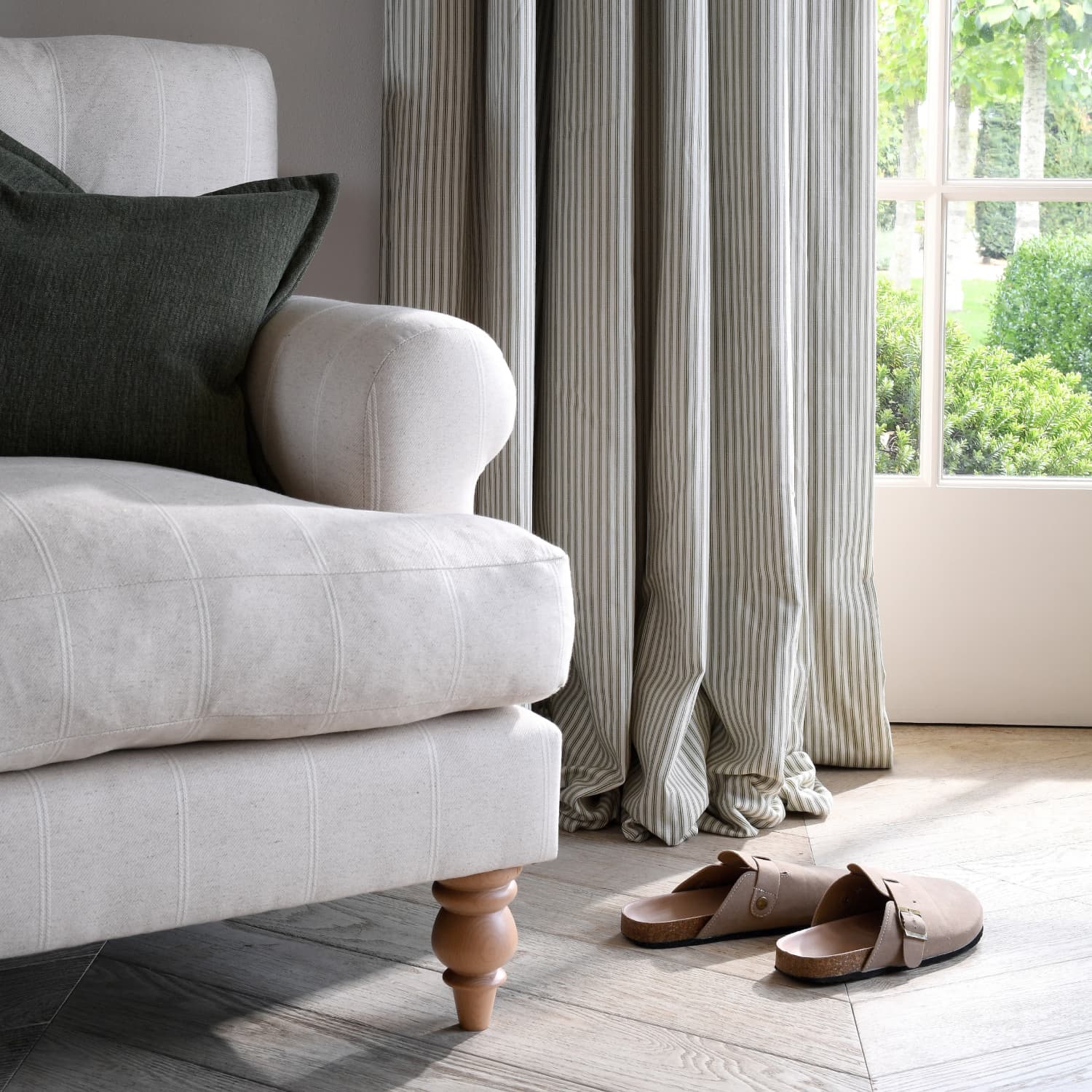
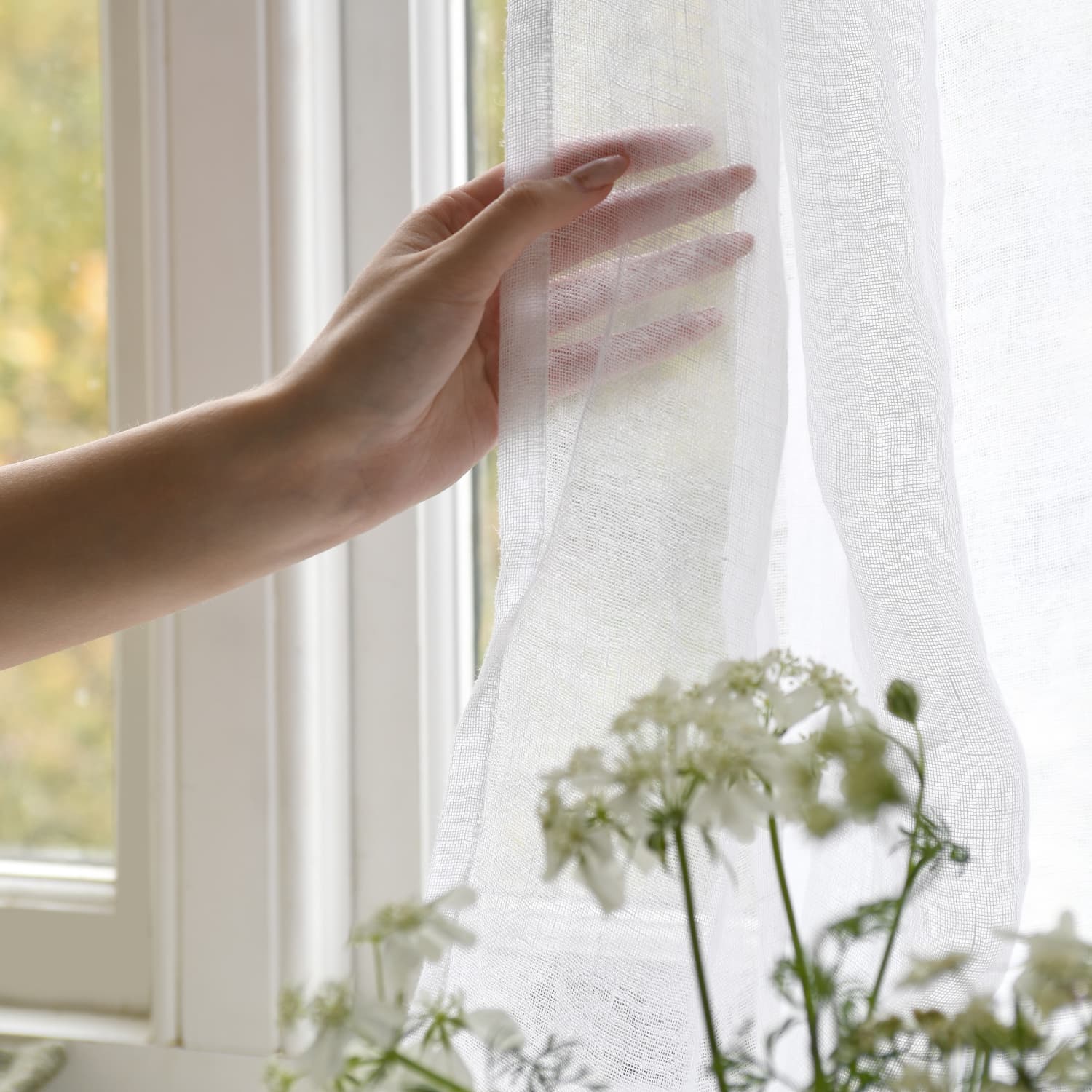
Step 4: Choosing Lining & Fabric
Lining and fabric choice work together to influence how your curtains look, feel and perform.
Lining Options
Blackout Blocks out light, adds insulation and improves privacy. Best for: Bedrooms, nurseries and street-facing rooms.
Fully Lined (Non-Blackout) Softens light, improves drape and protects the fabric. Best for: Living rooms, dining rooms and everyday spaces.
Unlined Allows more light through for a relaxed, airy feel. Best for: Kitchens, informal rooms or layering with blinds.
Fabric at a Glance
The right fabric can create the perfect mood in every room. Different fabrics create different moods and suit different rooms.
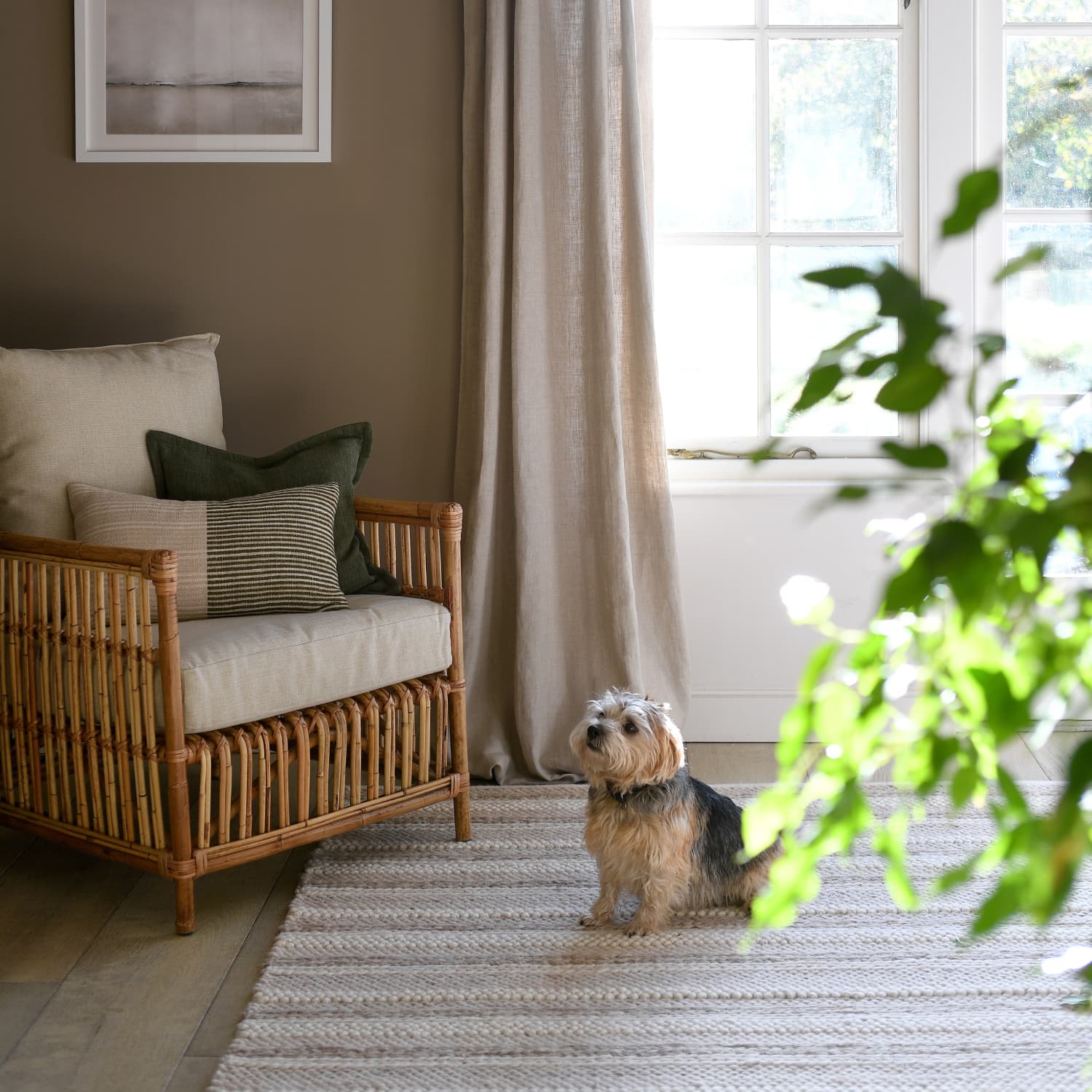
Linen fabrics – Natural texture with an effortlessly relaxed look Best for: Timeless, lived-in interiors
Cotton & cotton blends – Soft, versatile and easy to live with Best for: Everyday living and classic styles
Heavier & textured fabrics – More structured drape with added presence Best for: Larger windows and cooler rooms
Velvet & plush fabrics – Rich colour, warmth and depth Best for: Creating a cosy or statement look
Sheer & semi-sheer fabrics – Gently filter daylight while maintaining privacy Best for: Bright rooms or layering
Guide 2: Hanging & Caring for Your Curtains
Your curtains have arrived – here’s how to get them looking their best.
Follow the steps below or watch our video guide for easy, step-by-step support.
Step 1: Preparing & Hanging Your Curtains
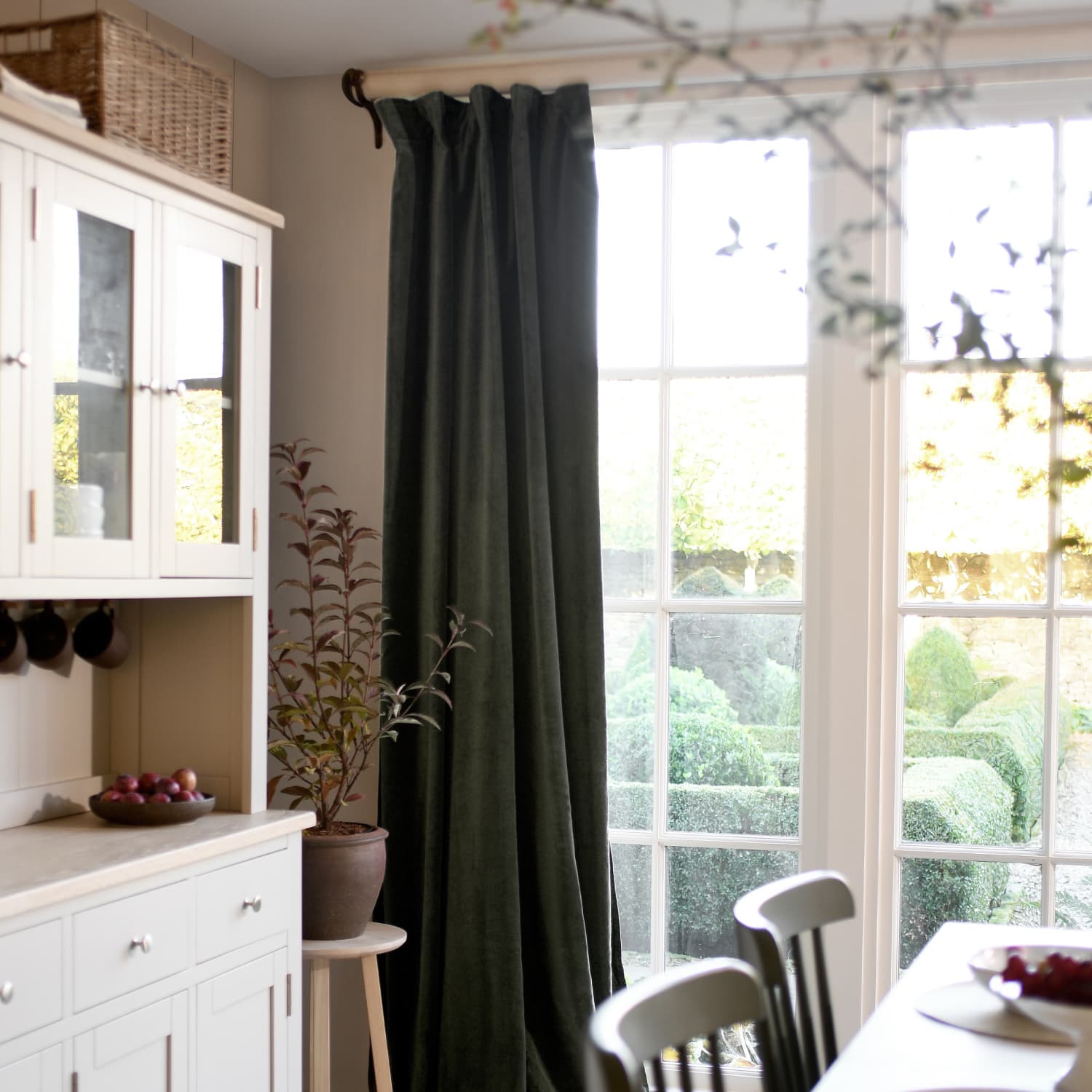
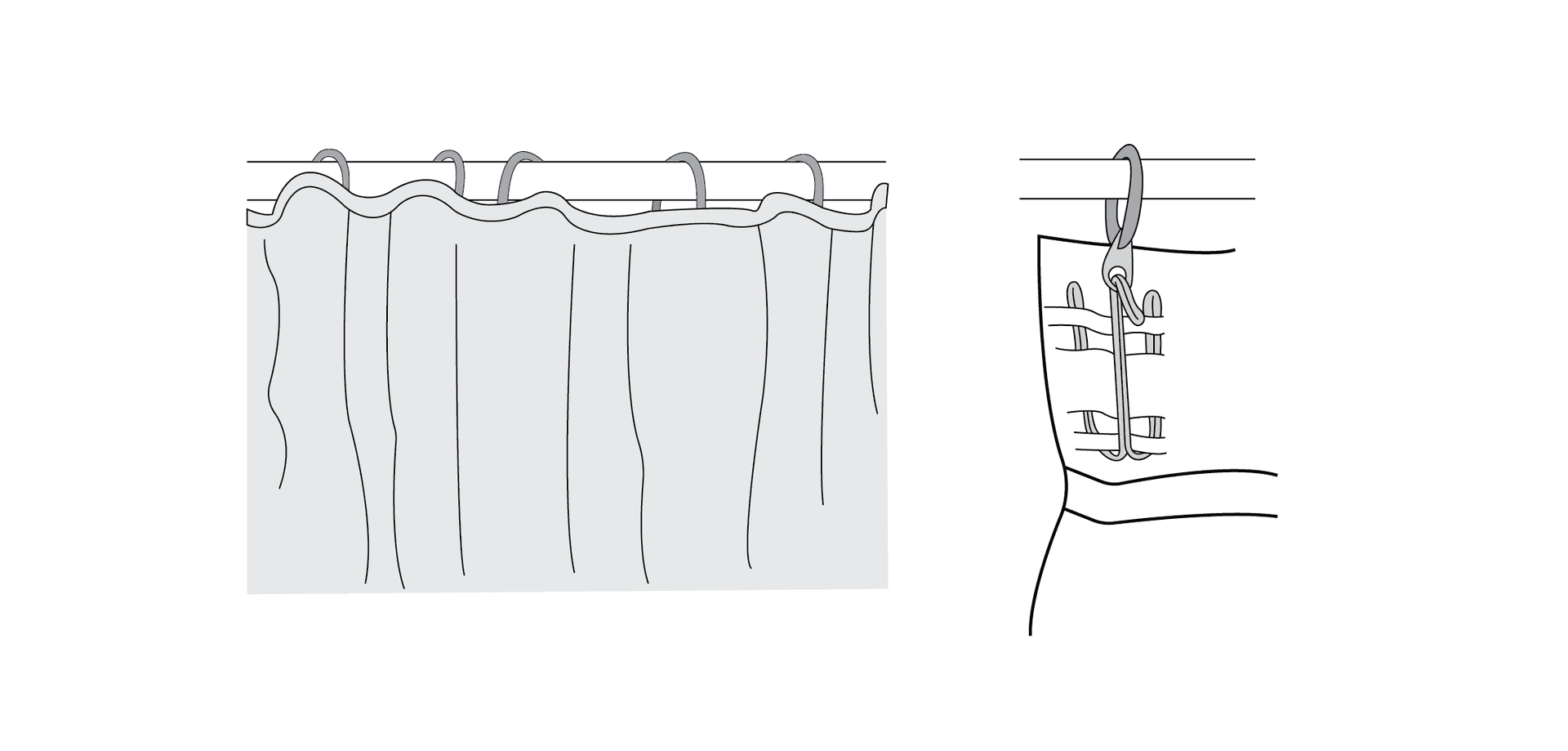
Hanging Curtains the Cotswold Way
Lay your curtain flat with the header tape facing up
Working left to right, starting at the top left, insert the left prong of the hook into the first set of lower, central loop and top smaller loop.
Leave 5–7cm, then insert the right prong similarly.
Leave a 5–7 cm gap, then repeat hook insertion across the curtain, adjusting spacing for your preferred fullness
Carefully lift and hang – having a second person helps support the weight and prevents the hooks from falling out of position.
A few centimetres either way won’t affect the overall look – this method is designed to be flexible and relaxed.
Tip: Ensure your curtain rings or track loops have an opening wider than 0.5cm to use Cotswold hooks.
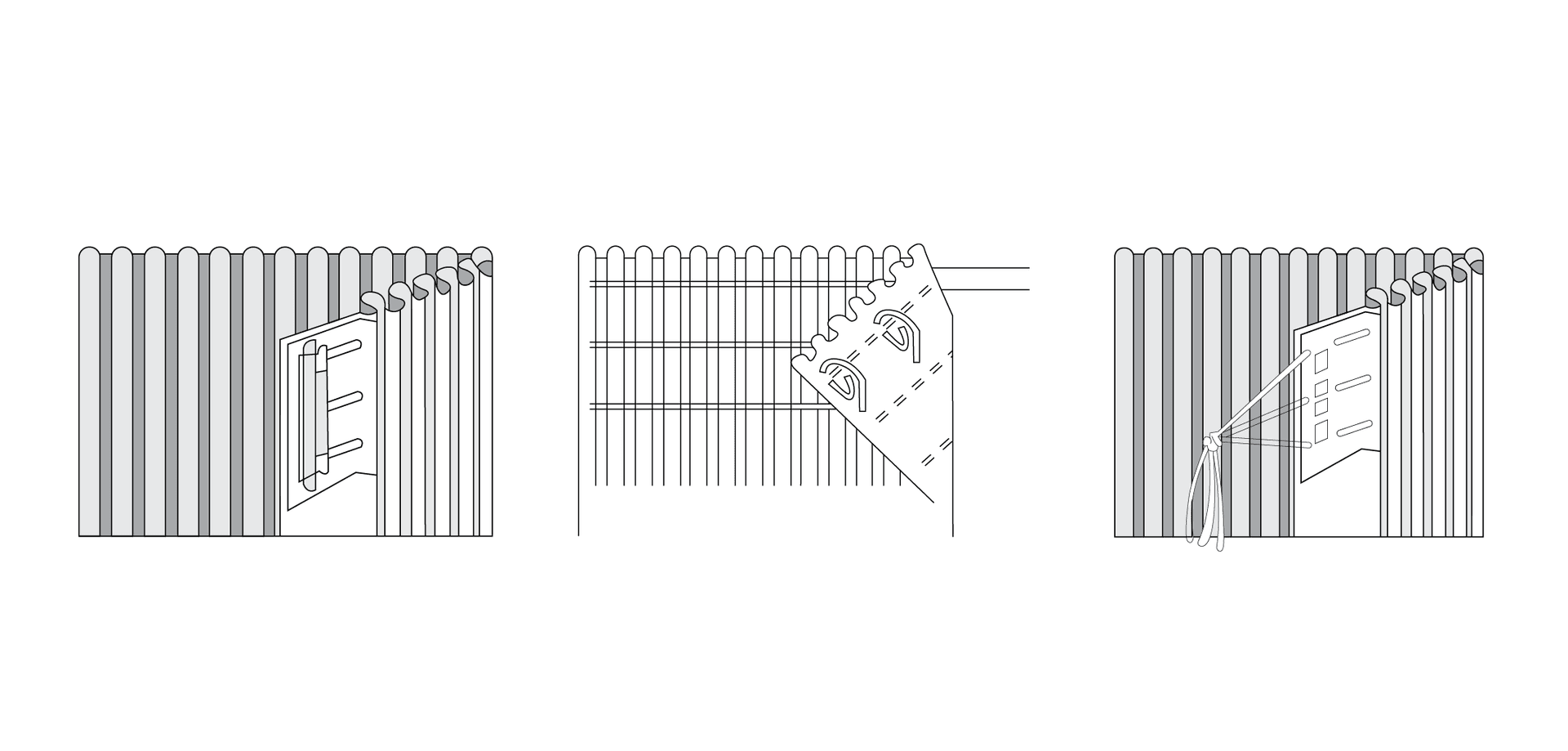
Hanging Pencil Pleat Curtains
Pull the heading tape cords evenly to half the curtain panel width
Secure cords (do not cut them!)
Insert hooks evenly – roughly one hook every 4–6 pockets
Hang and dress the folds gently –- the curtains pleats will settle within 24 hours
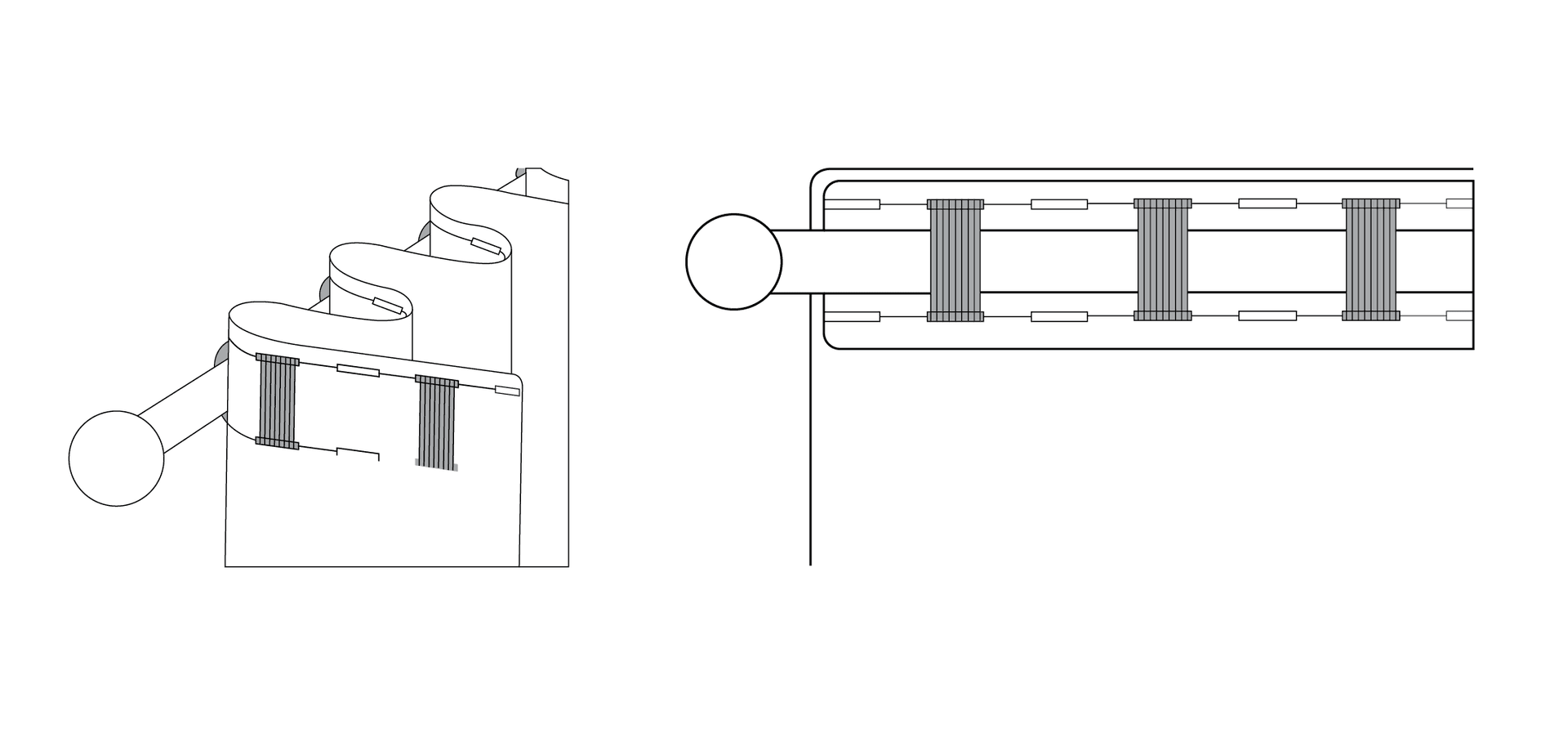
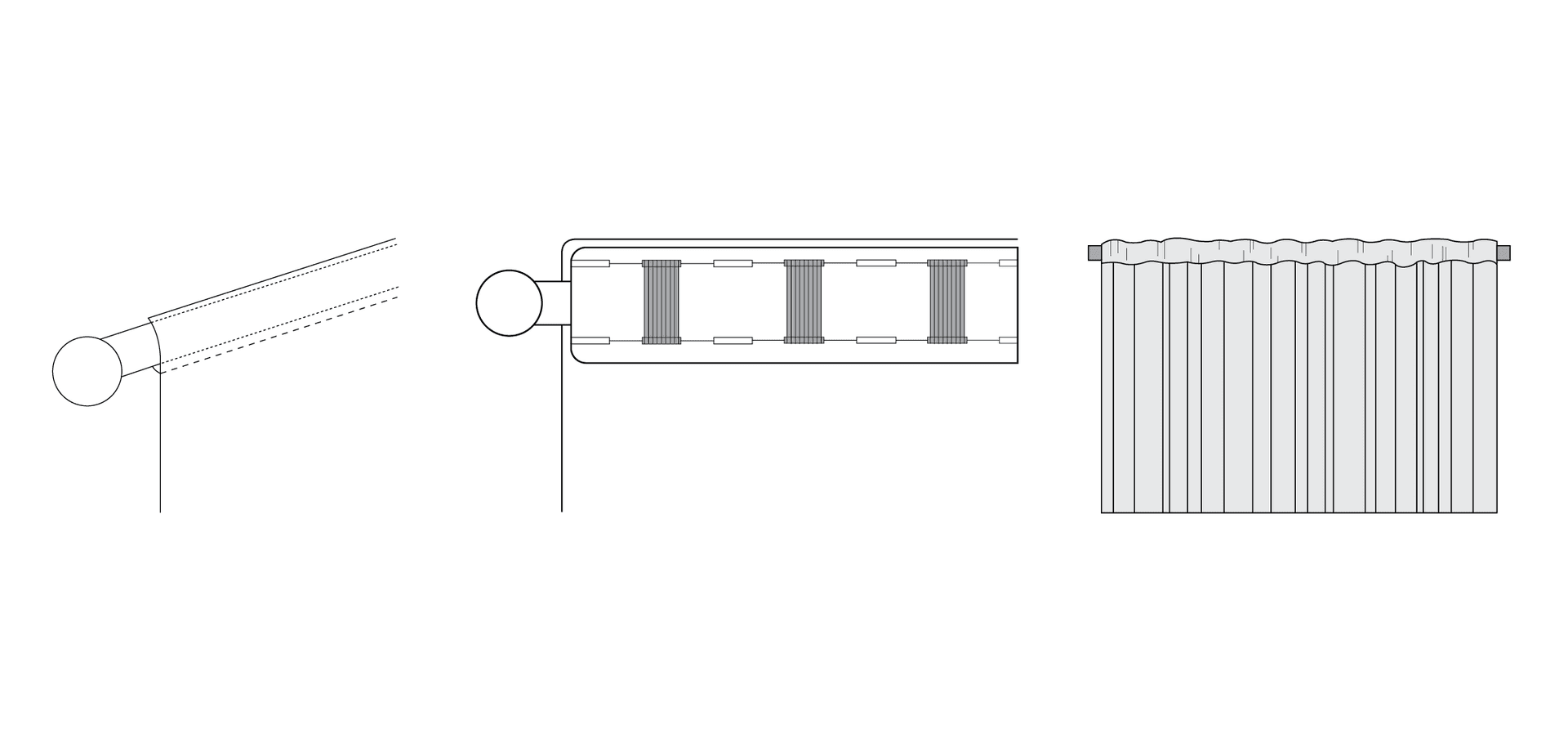
Hanging Hidden Tab Curtains
Slide the pole through the fabric tabs on the back of the curtain
Space evenly for soft, uniform folds
Rehang the pole and adjust by hand
Hanging Slot Top Curtains
Thread a slim pole through the sewn channel
Install above the window and spread fabric evenly
Best suited to lightweight or decorative curtains
Step 2 - Caring for your curtains
Everyday care
Vacuum gently using an upholstery attachment
Shake outside occasionally to remove dust
Light creases usually drop out after hanging
Washing & cleaning
Always check the care label first
Remove all hooks before washing
Use a gentle cycle with mild detergent (if suitable for machine washing)
Some fabrics require dry cleaning only
After cleaning
Hang while slightly damp to reduce creases
Dress folds and loosely tie for 24–48 hours
Never cut excess pencil pleat cords – tuck them away for future adjustments
FAQs
How wide should my curtains be?
For a full look, your total curtain width should be about twice the width of your pole or track.
Can ready-made curtains be altered?
Yes – most curtains can be shortened easily by a local seamstress or dry cleaner.
What’s the difference between heading styles?
The Cotswold Way offers a modern waved look, Pencil Pleat offers a classic gathered finish, while Hidden Tab and Slot Top create a relaxed, contemporary finish.
Do I need a lining?
Lining improves insulation, light control and drape, and helps protect the fabric over time.
Can I wash my curtains at home?
Some can be machine washed, but always check the care label first. Delicate or coated fabrics often need dry cleaning.